six boards, one set
In the studio it is a contact sheet.
On Amazon it is one frame at a time, met in a fixed order. Everything after the first exists because the first one only bought the click.
In the studio it is a contact sheet.
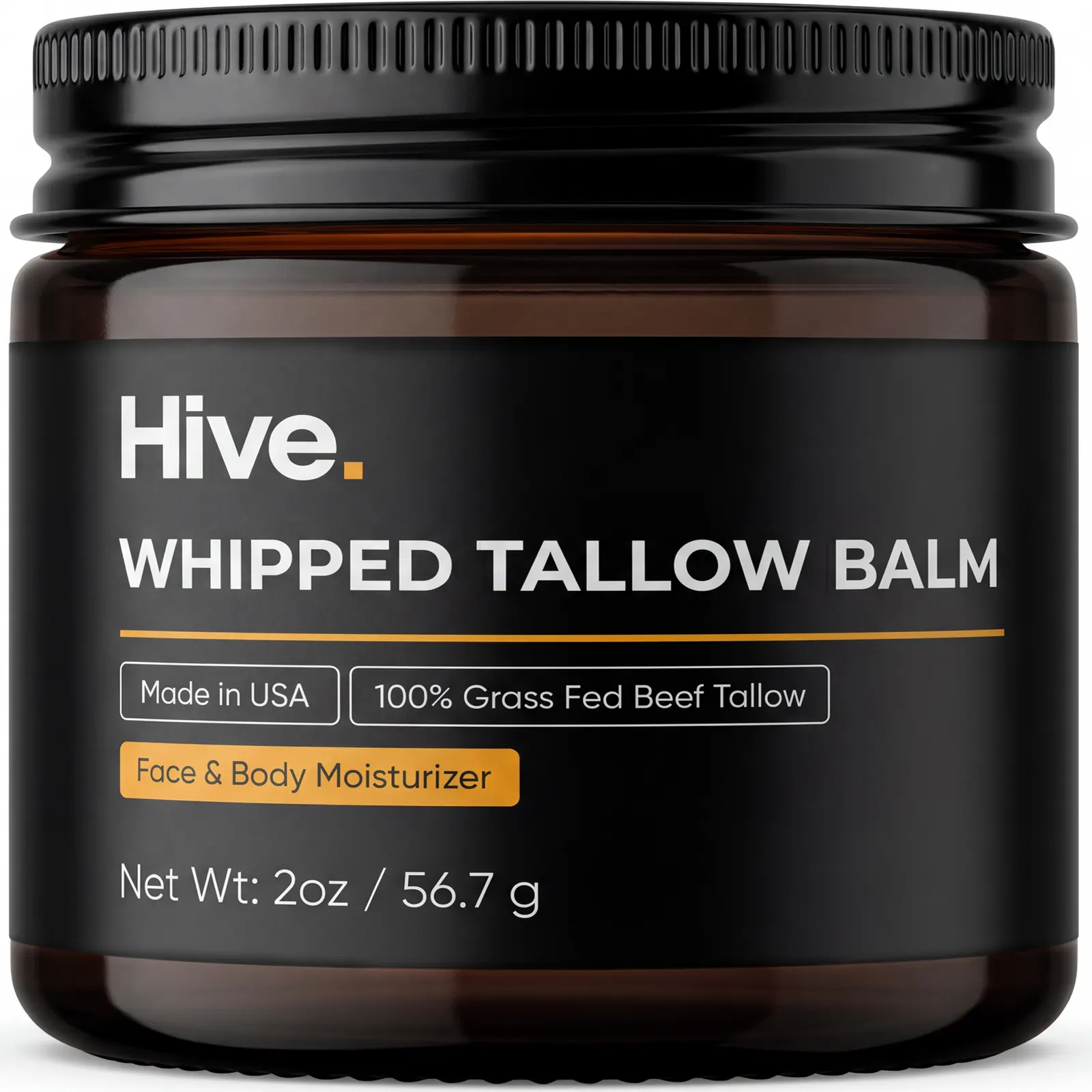
6 frames, in the order a buyer meets them — walked slot by slot below.
Slot 1 of 6
The search thumbnail
Main image
Amber jar straight on, label square to camera, filling the frame on white. Skincare in a crowded category is bought off the label as much as the jar, so the type has to survive the thumbnail: brand, product, size, and the two badges, and nothing else on the frame.
How we build these →Slot 2 of 6
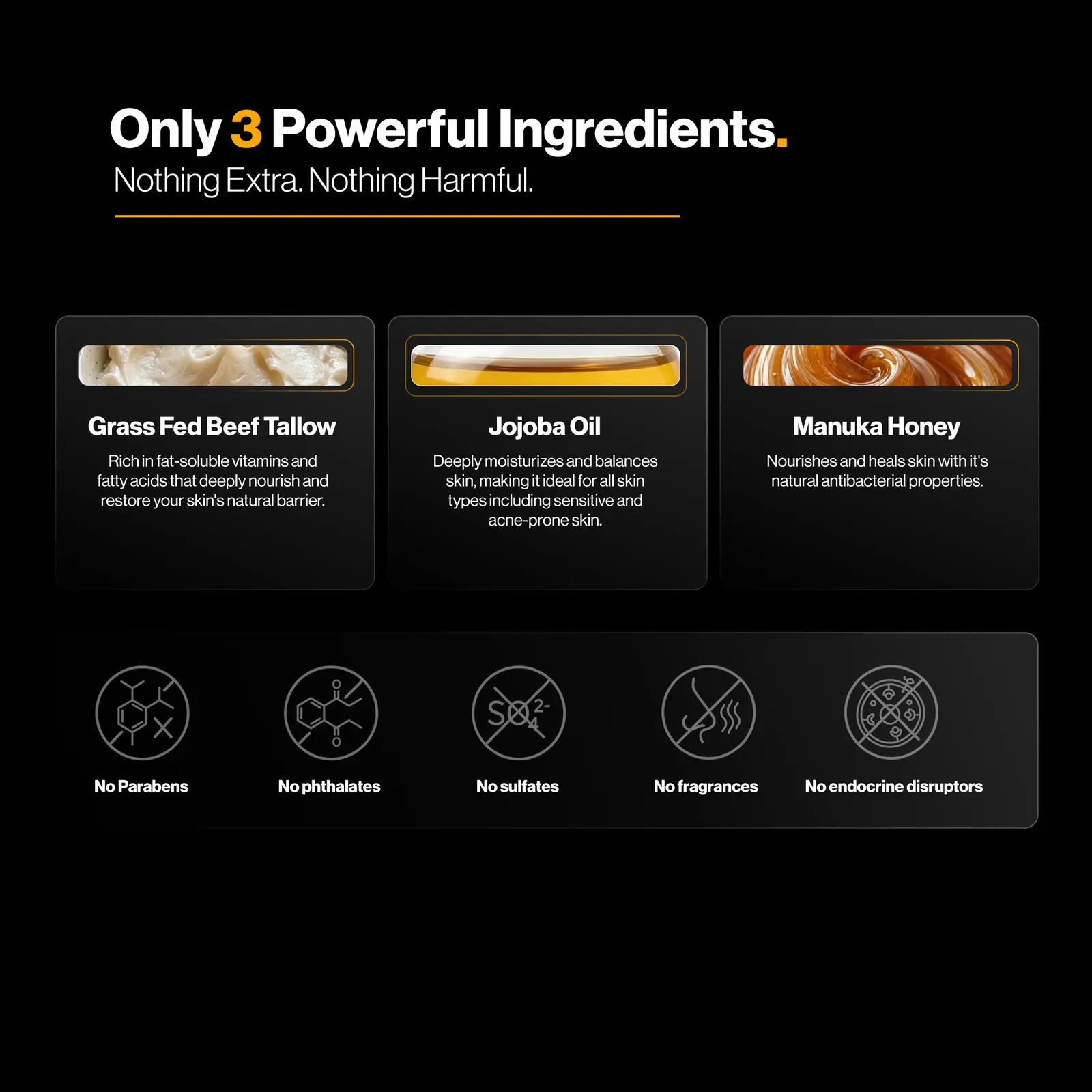
Three ingredients, and five it leaves out
Infographic
The formula as three cards across the top and the free-from list as icons underneath. Short ingredient lists are the whole proposition in this category, and the layout is built so the count reads before any of the words do.
How we build these →Slot 3 of 6
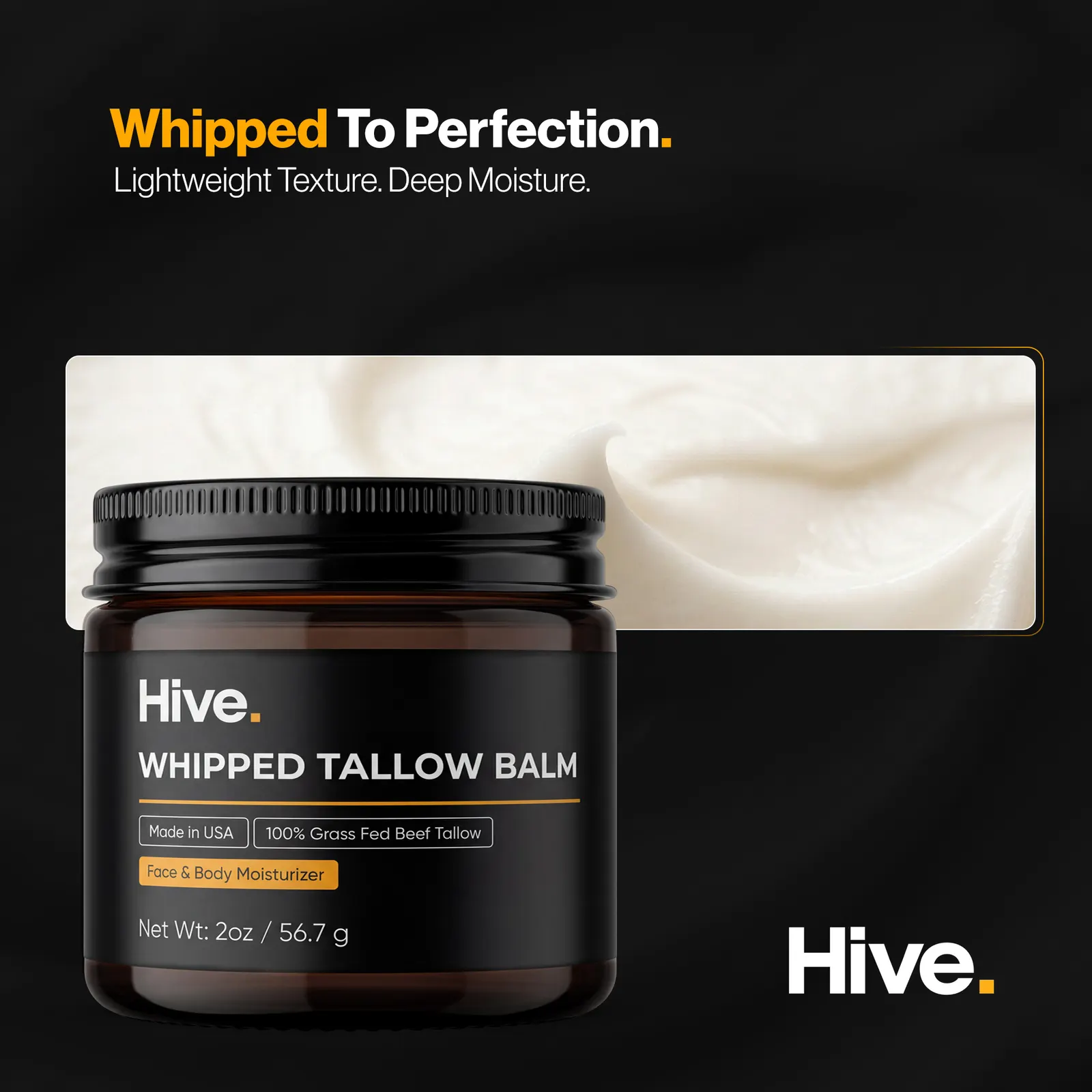
The texture
Infographic
A swipe of the balm alongside the jar, at a scale where you can see it holds a peak. Texture is the one thing a buyer cannot check through a screen and the first thing they complain about in a review, so it gets a frame of its own.
How we build these →Slot 4 of 6
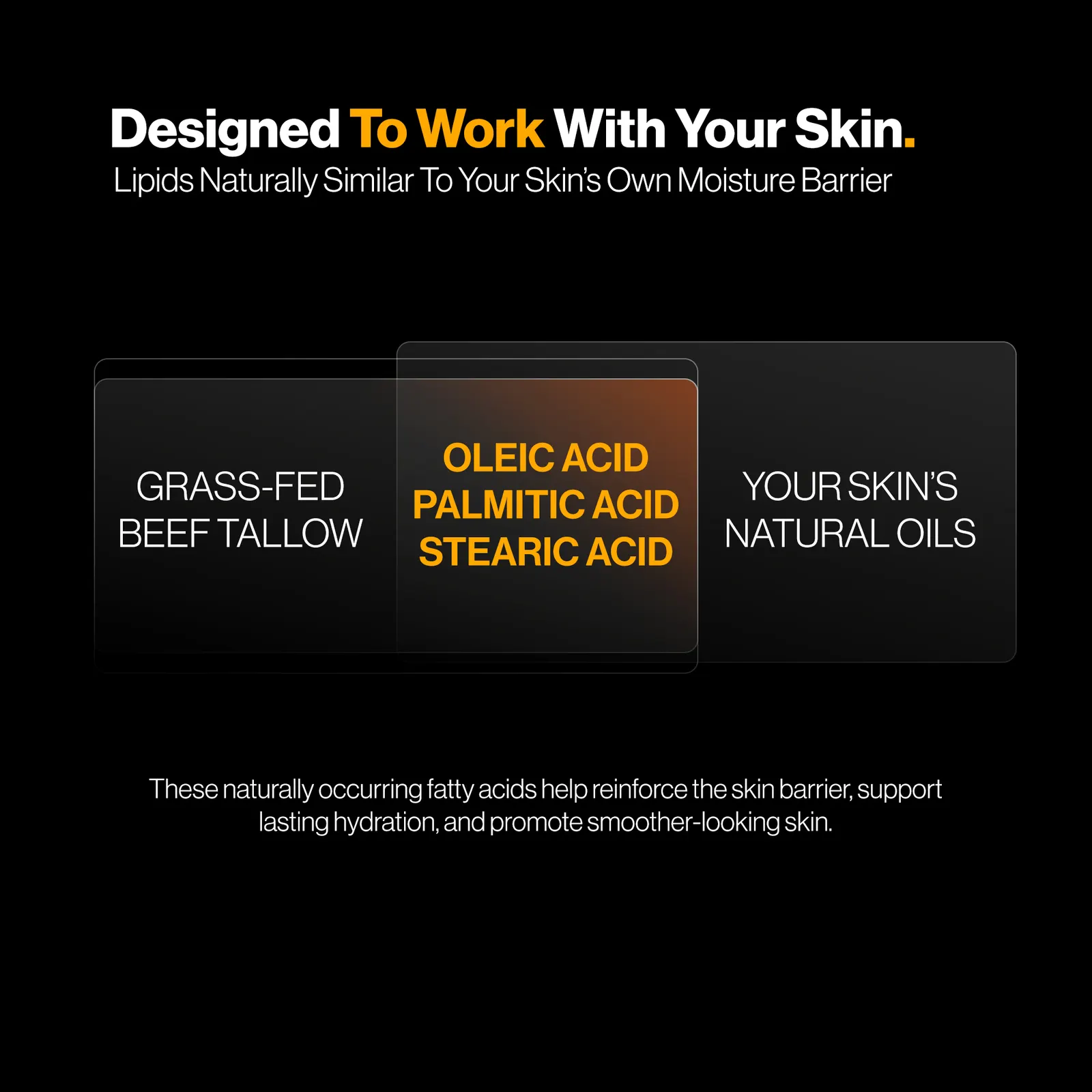
Why tallow
Infographic
Three panels putting the fatty acids in the product next to the fatty acids in skin, with the shared ones lifted out in the middle. It is the argument the category runs on, drawn rather than written.
How we build these →Slot 5 of 6
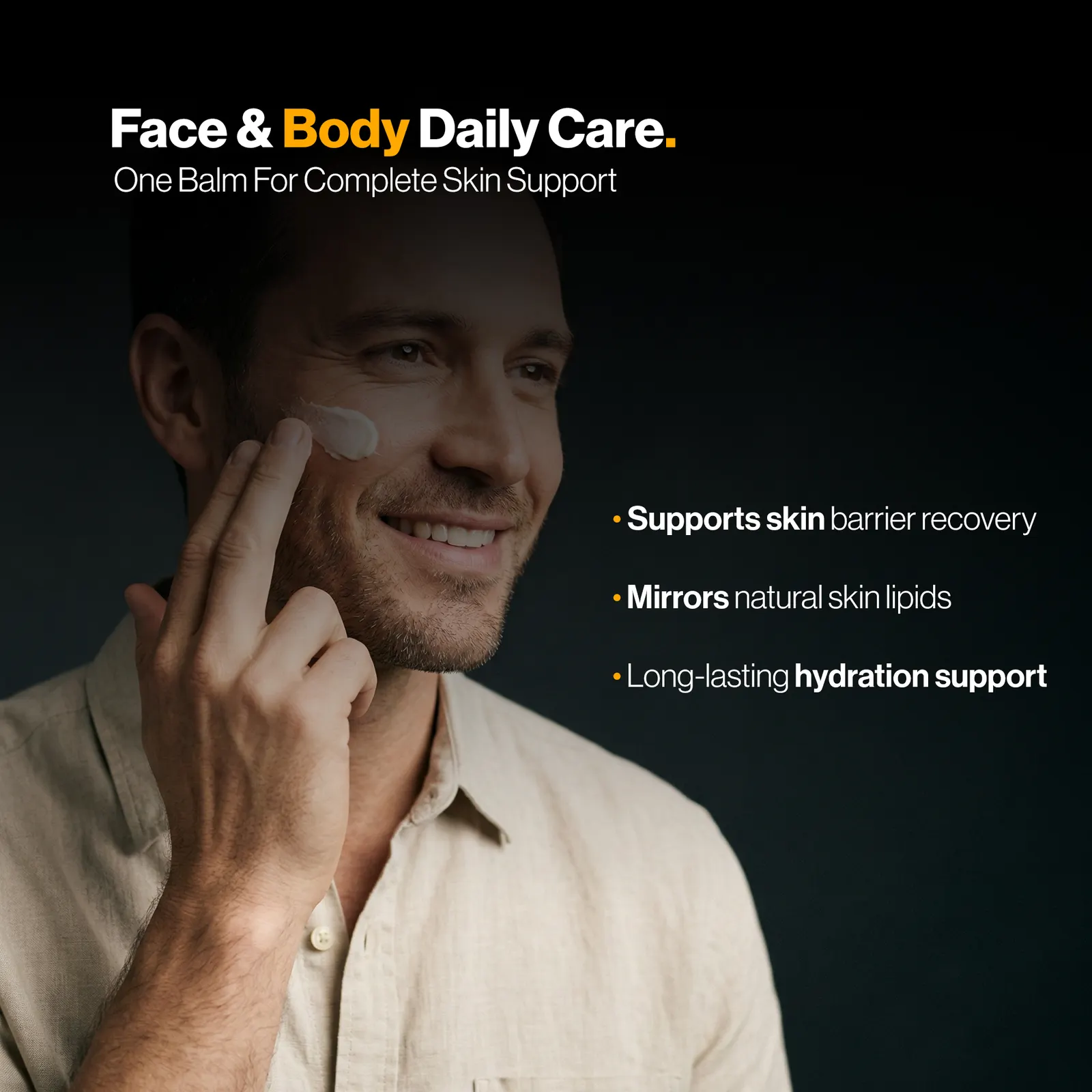
On a face, being used
Lifestyle
Application on a real face against a dark ground, with three short lines of copy set beside it. One slot answering face or body, and how much of it you use.
How we build these →Slot 6 of 6
Who it is for, and who made it
Infographic
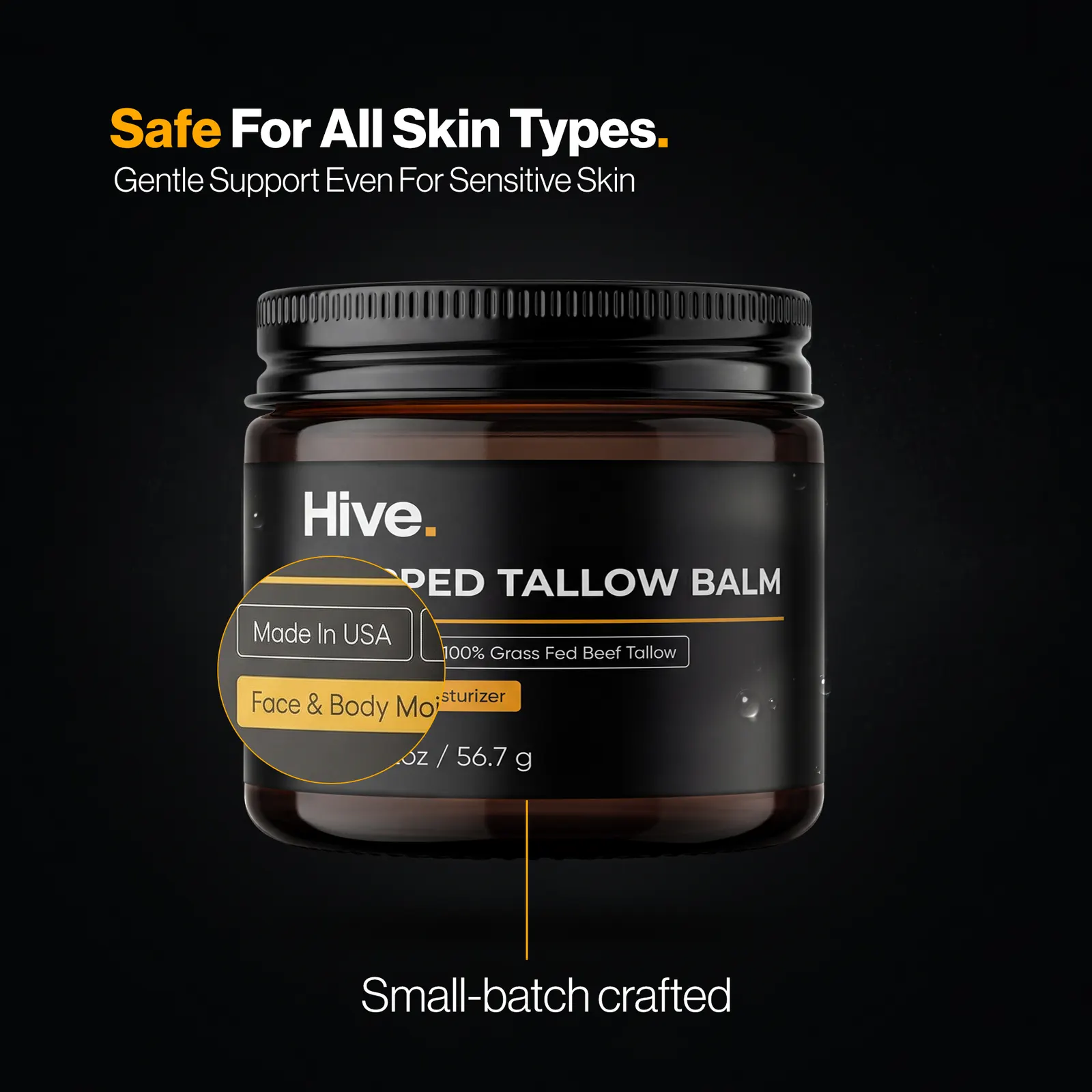
The jar with its label callouts pulled out on leader lines and a small-batch line underneath. The closing frame: it restates the badges from the hero at a size you can actually read them, which is where a buyer arrives after six frames of argument.
How we build these →