
Amazon Made You a Two-Pack. The Photo Still Shows One.
Amazon has been auto-creating multipack listings for selected FBA brand owners. You can edit the price, the title and the description. Images are not on that list, and the window to delete the ones you don't want closes on 10 November.
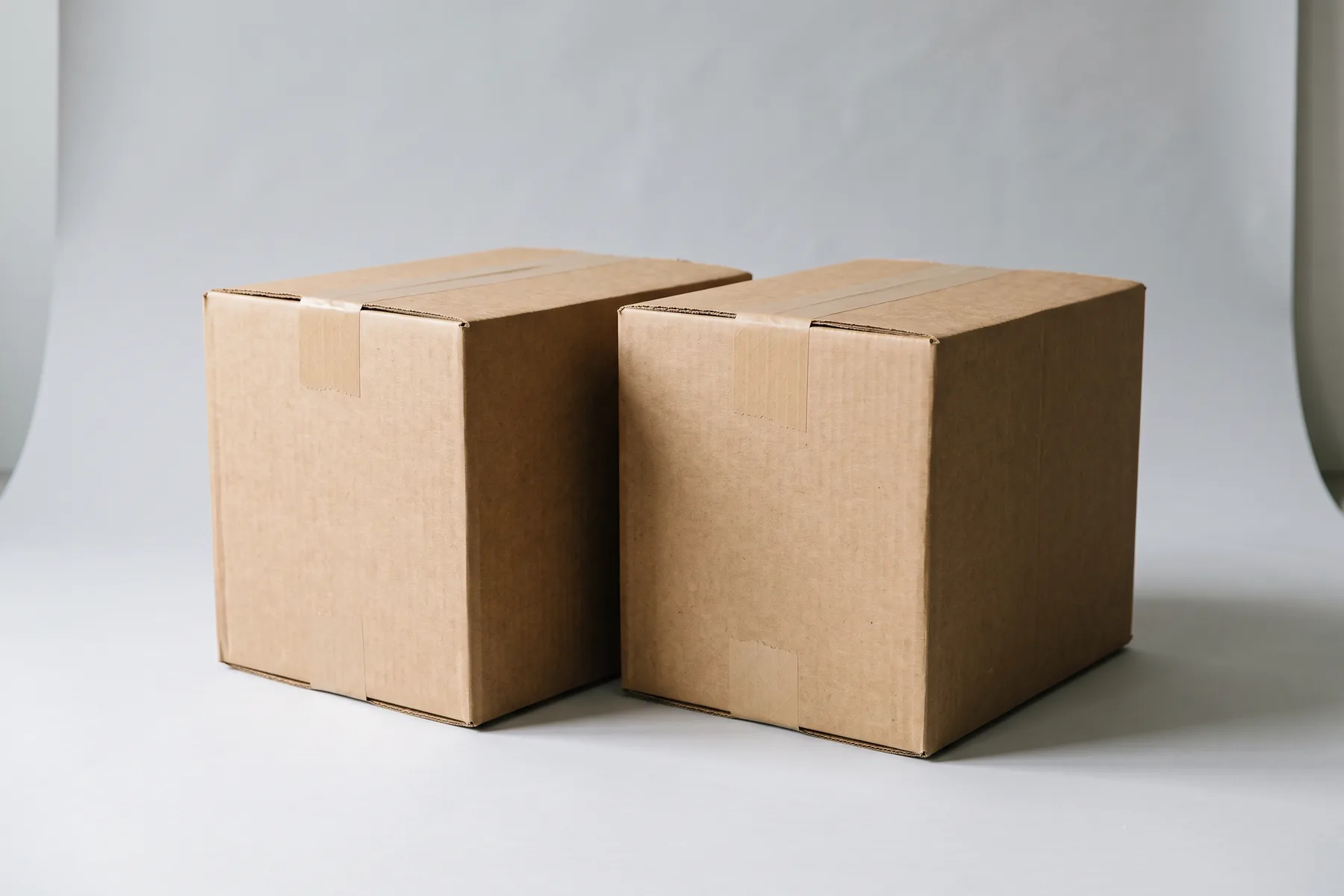
There is a reasonable chance that somewhere in your catalogue right now there is a listing for two of your product. You did not write the title. You did not set the price. And the photograph sitting on it is the one you shot of a single unit.
Amazon has been creating virtual multipack listings for selected FBA brand owners. The offers were generated by 28 October, the window to review or delete them runs to 10 November, and whatever is still there goes on sale on 11 November. Each one gets its own ASIN and SKU and shows up as a variation of the product it was built from.
You can edit the price, the title and the description.
Images are not on that list.
Why that is a bigger problem than it sounds
A gallery is not decoration, it is a set of claims about what arrives in the box. Walk the seven slots Amazon actually displays and count how many of them say something about quantity:
The main image. One unit, shot on white, filling the frame. On a two-pack listing it is now a picture of half the order.
The dimensions infographic. Every measurement on it describes one unit. The box that arrives is a different size.
The what's-in-the-box frame. If you have one, it is now wrong in the most literal way a listing image can be wrong.
The lifestyle frame. One bottle on a counter. The buyer has bought two.
The comparison chart. Built to compare your product against the alternatives at your single-unit price. The price on the page is no longer that price.
That is five of seven frames carrying a quantity the listing no longer sells, and not one of them is a mistake anybody made. They were correct on the listing they were designed for.
The part nobody can confirm yet
On 13 October a seller reported that a generated two-pack image had replaced a single-pack image on their listing.
That is one report, from one seller, in one discussion thread. It has not been confirmed as a platform-wide behaviour and we are not going to tell you it is one. But it points at the right question, and the question is cheap to answer for yourself: open the multipack listing and open the original side by side, and look at whether the pictures agree with the quantities.
Screenshot both while you are there. If something does change later, the screenshot is the only evidence you will have that it did.
What to actually do before 10 November
Find out whether you have any. The pilot is selected brand owners, not everyone. If you have none, you are done and it cost you five minutes.
Open every one that exists. Read the title Amazon wrote. Check the price it defaulted to, which follows your per-unit list price and allows a percentage discount off it.
Decide, and understand the asymmetry. Deleting is reported to be possibly irreversible during the pilot, so a multipack you remove may not come back. Leaving one up is reversible in the ordinary way; removing one may not be. If you are undecided, that asymmetry argues for keeping it and fixing the images rather than deleting it in a hurry.
If you keep it, the gallery is now a job. At minimum the main image needs to show two, and the dimensions panel needs to describe the shipped box rather than the single unit. Everything else can follow.
The honest summary
This is a reasonable feature. Multipacks sell, and most sellers never get round to building the listings for them. Amazon doing the paperwork is a genuine favour.
But it built the offer and left you the pictures, and the pictures are the half that tells the buyer what they are getting. A two-pack listing with a one-unit photograph is not a design problem. It is a returns problem, and it is the kind that shows up in your reviews six weeks later as "I thought I was getting two".
Four days. Go and look.
Sources
The service behind this
Amazon Hero Images
The hero is the only image that competes in search results. Everything else in your gallery is talking to someone who has already clicked. Get this one wrong and the other six never get seen.
See how we do it