Prepaid Return Labels Now Apply to Everything
On 8 February 2026 Amazon removed the high-value exemption from prepaid return labels. Every FBM return now issues an Amazon label, and the shipping sits with you.
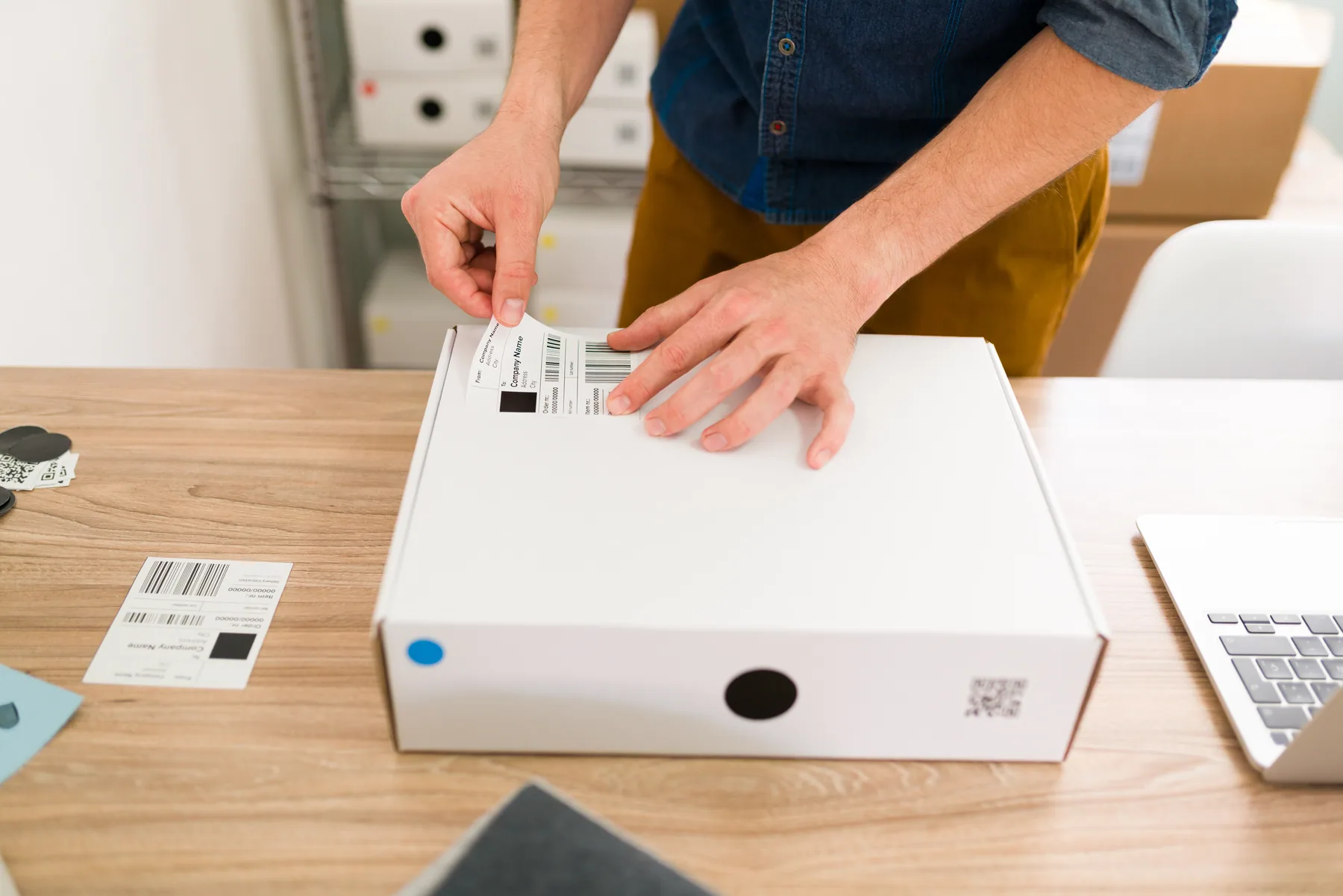
On 8 February 2026, Amazon removed the high-value item exemption from Amazon Prepaid Return Labels. All seller-fulfilled returns now issue an Amazon-generated label regardless of the item's price, and the seller absorbs the shipping cost.
The exemption had let sellers of expensive items handle returns on their own terms — arranging collection, inspecting before authorising, choosing the carrier. That is gone.
Why it matters more than it sounds
For low-value items this changes little; most sellers were already eating return shipping.
For high-value FBM sellers it is a straightforward margin event. A £400 item that comes back now carries an automatic return label at your cost, with no opportunity to intervene before the unit is in transit.
It also removes a friction point that was quietly suppressing casual returns. When a return required contacting the seller, a proportion of buyers did not bother. A one-click prepaid label removes that step, and return rates in affected categories can be expected to drift upward as a result.
It arrived alongside two other changes
Read on its own it is annoying. Read with the rest of February 2026 it is a pattern:
- 16 February 2026 — the SAFE-T claim window halved, from 60 days to 30, for filing on damaged, lost or wrongly returned items.
- February 2026 — return processing fees expanded to apparel and footwear, categories that already had the highest return rates on the platform.
So: more returns are likely, each costs more, and you have half as long to recover anything on the ones that come back damaged.
The operational response
Move SAFE-T filing to weekly. Thirty days sounds generous until a return sits unopened for three weeks. Whoever opens returns needs to photograph condition on arrival, every time, because a claim without evidence is a claim you lose.
Photograph outbound condition on high-value items. If you are going to argue about the state something came back in, you need to be able to show the state it left in.
Re-run your unit economics. If your model assumed a 3% return rate at partly-recoverable cost, both halves of that assumption changed this year.
The response that actually pays
Prevention, because every other lever got worse.
Returns divide into two groups. Genuine defects and courier damage are a product and logistics problem. The rest — the majority in most catalogues — are the buyer discovering the item is not what they pictured. That is a listing problem, and it is now the cheapest thing on this page to fix.
The specific causes repeat so reliably they are almost a checklist:
- No scale reference in the gallery. A product shot alone on white has no size. Buyers guess, guess wrong, and send it back.
- Colour shot under studio light that does not match daylight.
- No texture frame, so "thinner than expected" arrives as a surprise.
- No what's-in-the-box frame on multi-part products.
- An overstated claim in the copy — which since the July title cut is under more pressure than ever, because compression is where overstatement creeps in.
Each of those is one image or one line of copy. Against a return that now costs you shipping both ways plus a processing fee plus the metric, that is a good trade.
Where to start
Pull your return reason codes from Seller Central for your top ten SKUs by volume. Not conversion, not sessions — the reason codes.
They will point at one or two causes rather than ten, and it is almost never the one you assumed. Fix those first, on the highest-volume listing, and measure the same report a month later.
That is a duller answer than a strategy. It is also the one that works.
The service behind this
Amazon Lifestyle Images
Don't just sell a product — sell the moment it belongs to. Lifestyle images give the buyer somewhere to put your product in their own life, and scale it against a real hand, a real room, a real table.
See how we do it